We like
We don't like
Our team is dedicated to finding and telling you more about the web’s best products. If you purchase through our links, we may receive a commission. Our editorial team is independent and only endorses products we believe in.
Each person's foot is unique. Variations in arch height, foot width, and pronation or supination can make one person’s favorite running shoes a nightmare for another. That is why when shopping for running shoes, it is a good idea to visit a running store that carries multiple brands. Fit, cushioning, stability, weight, and flexibility all matter, especially at a $200+ price point.
The History of The Nike Pegasus
Even though there are numerous brands all creating various types of shoes, some styles have risen to the top in popularity. The Nike Pegasus is one of the most recognizable daily trainers in the world. In 2024, it was Strava’s most-used running shoe globally, reinforcing its reputation as a dependable workhorse for runners of all levels. A trusted favorite among runners in the durable daily trainer category since its launch in 1982, the Pegasus is now in its 41st version! On his very first day in the role, Nike's CEO Elliot Hill was seen wearing an unreleased pair of the new Pegasus Premiums, generating significant hype among runners and the shoe community. This excitement led to the shoe selling out upon release and many times after that. Today, the Pegasus Premium comes in a range of core sizes and 14 different colorways.
Quick Look: Are the Nike Pegasus Premium Worth It?
Price: $220
Best For: Short to mid-distance runs + stylish run club wear
Ride: Noticeably bouncier than Pegasus 41
Stability: Less stable for narrow/high-arched feet
Not Ideal For: runners who want a speed shoe, as your only training shoe, for marathons, or just as a reliable daily trainer


Why The Pegasus Premium?
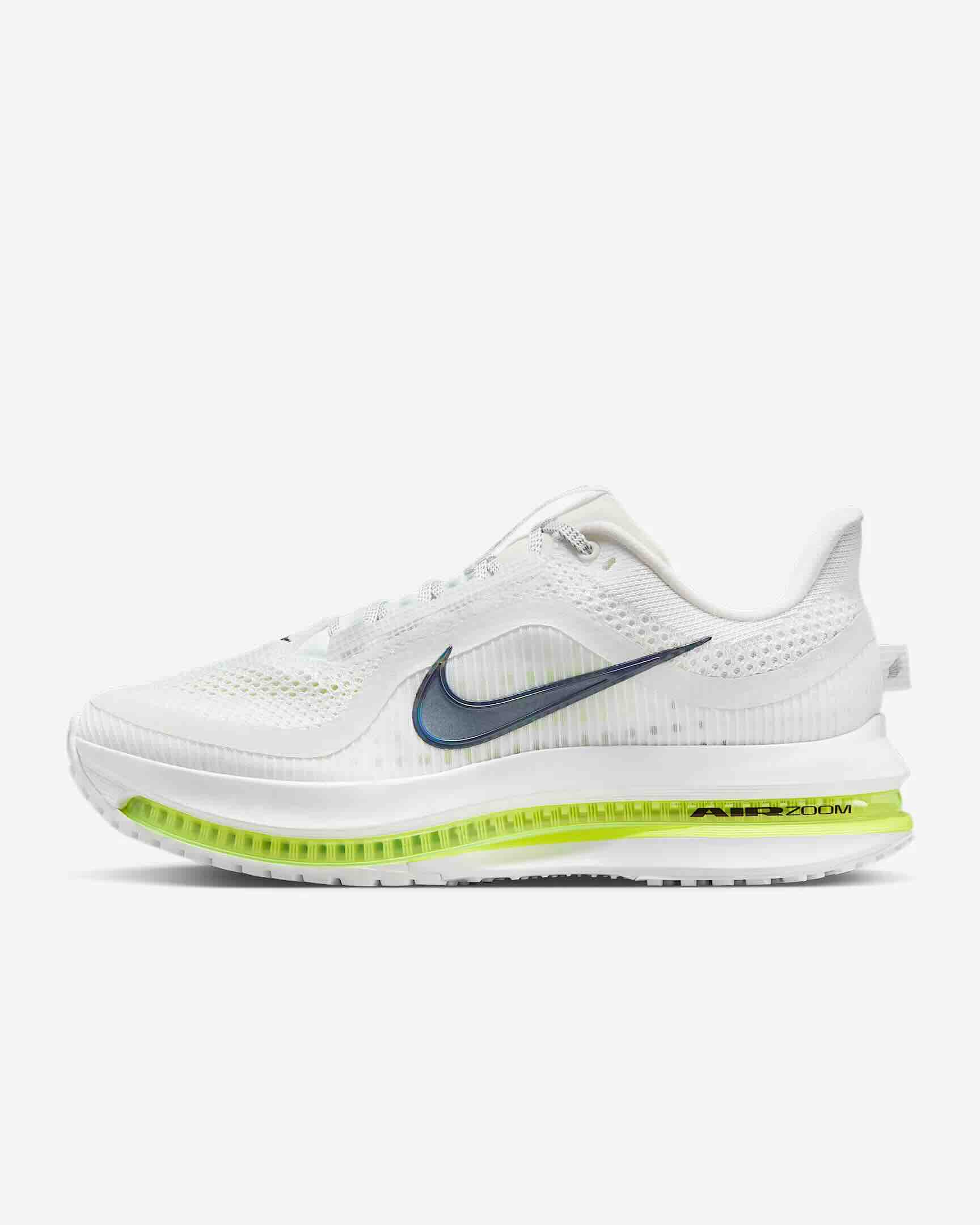
What makes the Premiums so special is their look. The shoe has this bright orange air unit across the entire midsole and other design details that make it look more like an Air Max 97 or lifestyle shoe. As a teenager buying my first running shoes, my dad always said that how a shoe felt was more important than how it looked. Remembering this advice, I was intrigued by the stylish design of the new Premiums and wondered whether an amateur runner like myself would notice any difference compared to the current version 41s.
Besides overall look, the shoes also differ in foam composition, heel stack, weight, and most notably, price. The Premiums are a headline-creating $220. A typical daily trainer is around $150, and the 41s start at $145, though you can easily find them discounted now. The Premiums are not meant to be a speed shoe; there is no plate, so they are essentially a shoe for everyday runs with premium materials. I wanted to see if I could feel that difference.
Let’s Put Them To The Test: 41s vs Premiums
I have run about one hundred miles in my Pegasus 41s, so I have an accurate measure on what my runs look and feel like in those shoes. In order to compare the Premiums, it was time to go on a few runs.
The full length sculpted Air Zoom unit is the hero of the shoe, and it was the first thing I noticed upon lacing them up. They are significantly more bouncy and responsive than the 41s which are just made of their ReactX foam. Because the Premiums are built with the same foam, plus the Air Zoom unit and ZoomX foam, the heel stack is noticeably higher, which is something to consider if you are a runner who heelstrikes. This, in addition to a thinner midsole, made the run feel a little less stable, and left me more likely to pronate. These are factors you would likely only feel on long runs versus casual workouts, which is why whenever I stopped my watch during these test runs, I noticed I was always exactly within my average pace and effort.


Are They Worth $220?
There is no denying the Pegasus Premiums look like no other daily trainer on the market right now. They will turn heads at a run club and guarantee someone will ask you about them. My first Strava post testing these out had my friends in the comments asking about the shoes. In my opinion, unfortunately, due to their price point, these are not for everyone. These are not the shoes for someone who only has one pair of running shoes in their rotation at a time or is looking for a pair that will carry them through training cycles that have them consistently doing double digit runs. The shoe’s responsive build consequently made them feel less supportive to my narrow, high-arched foot. These are a great shoe for someone who is mixing casual runs into their workouts and wanting a stylish looking shoe for all the moments in between.
FAQs: Nike Pegasus Premium
Are the Pegasus Premium good for long runs?
They can handle moderate long runs, but runners who prioritize stability may prefer the Pegasus 41 or a plated trainer for higher mileage.
Are the Pegasus Premium a carbon-plated shoe?
No. Unlike Nike’s racing models, the Premium does not include a plate. It’s designed as a responsive daily trainer.
Why are the Pegasus Premium $220?
The price reflects Nike’s use of full-length Air Zoom technology combined with ReactX and ZoomX foams, plus elevated design elements.
Why You Should Trust Us
At The Quality Edit, we don’t just round up products - we test, research, and evaluate them in real-world conditions to determine what’s actually worth your money. For this guide, Kelsey Borovinsky logged hundreds of miles wearing each shoe to assess what we really want to know.